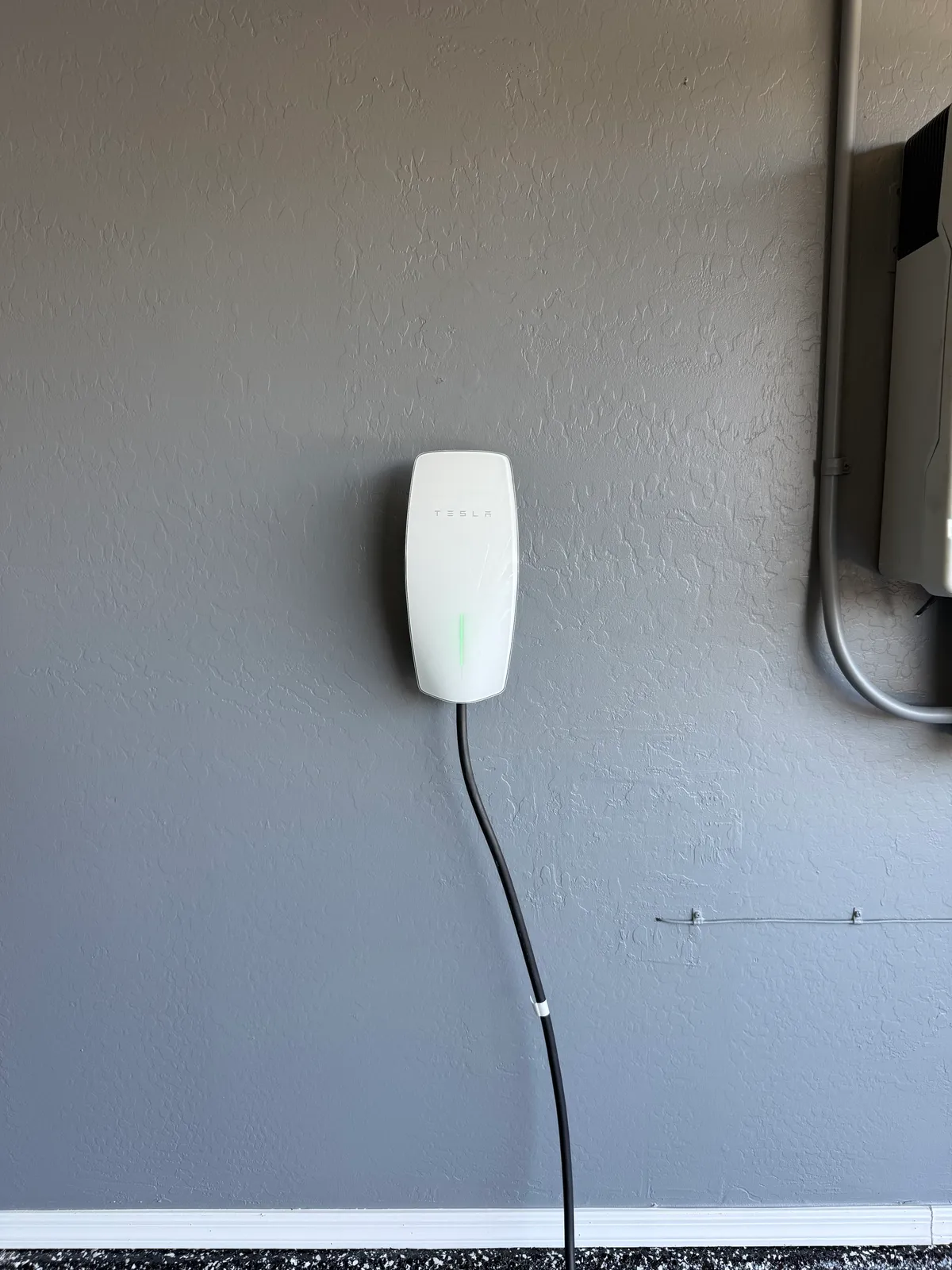
Tesla Wall Connector installation — Surprise
The existing project gallery shows charger mounting, conduit routing and panel work. A separate Scottsdale gallery documents a ChargePoint Home Flex installation.
Explore this installationInstant Online Quote in 60 Seconds · Residential Electricians · ROC #361047
EV Charging Done Right.
Instant Online Quote in 60 Seconds · Residential Electricians · ROC #361047
Plan your charger, circuit and installation with a local residential electrical team.
No pushy salespeople in your home. No waiting days for an email. Answer 5 quick questions about your vehicle, distance to panel, and charger setup to claim your $100 OFF discount and preliminary budget estimate.
Tell us what you drive (Tesla, Rivian, Ford, etc.) and where you plan to install (garage or driveway).
Roughly estimate how many feet separate your electrical panel from your intended charging location.
Receive your preliminary budget estimate plus your automatic $100 online quote discount.
⚡ Free · 100% Confidential · Zero Obligation
See how a dedicated Level 2 system from Mister Wright transforms your daily driving routine.
Plugs into a standard 3-prong garage wall outlet. Adequate only for low-mileage hybrid commutes.
Industrial-grade heavy-duty 50A receptacle for portable mobile charging cables.
A hardwired connection may support higher output when the charger, vehicle and available circuit capacity allow it. The installation setting must match the assessed electrical supply.
Installation planning for your vehicle and charger
EV charging can place a sustained load on a home circuit; the correct circuit rating depends on the selected charger and vehicle. Here's why hiring a licensed electrician matters:
Circuit and conductor selection must account for the charger settings, wiring method, temperature ratings and applicable local code. Confirm these details during the electrical assessment.
For a receptacle-connected charger, specify a compatible receptacle, enclosure and required protection. The selected equipment and installation must follow the charger manufacturer’s instructions.
Skip the high-pressure in-home sales pitch. Complete our quick 60-second quiz to request the $100 EV promotion, confirmed with your written installation quote.
National installer networks make you wait 4 to 8 weeks for a subcontractor. Our licensed team handles permitting directly and gets your installation scheduled and completed within days.
Never get trapped in an uncomfortable in-home sales pitch. Complete our 60-second quiz to get transparent upfront pricing with our $100 off promotion included.
Discuss any applicable workmanship coverage and equipment warranty terms with our team before approving the work.
Actual job photos from recent EV charger installations in Surprise and the Phoenix Valley.
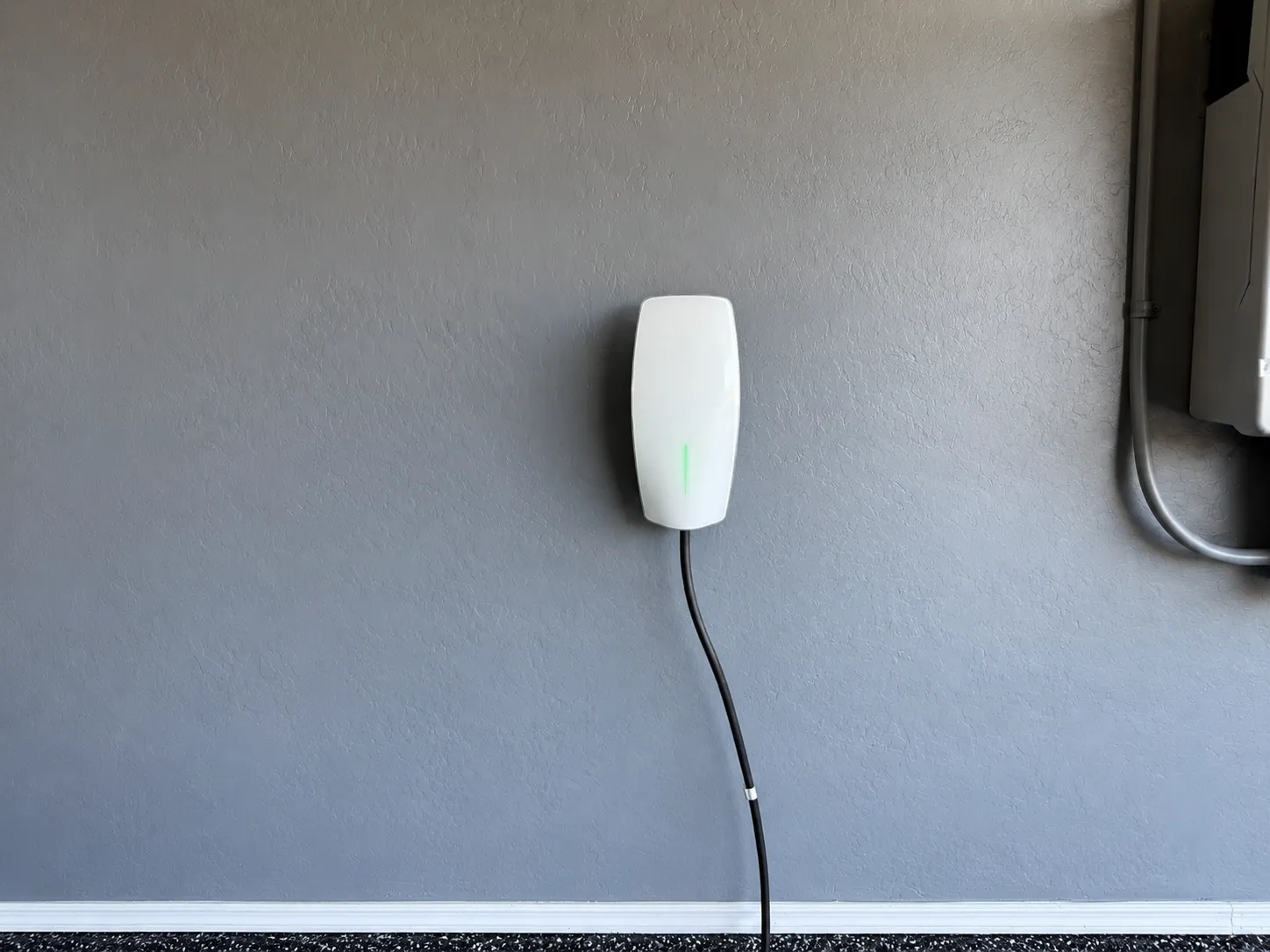
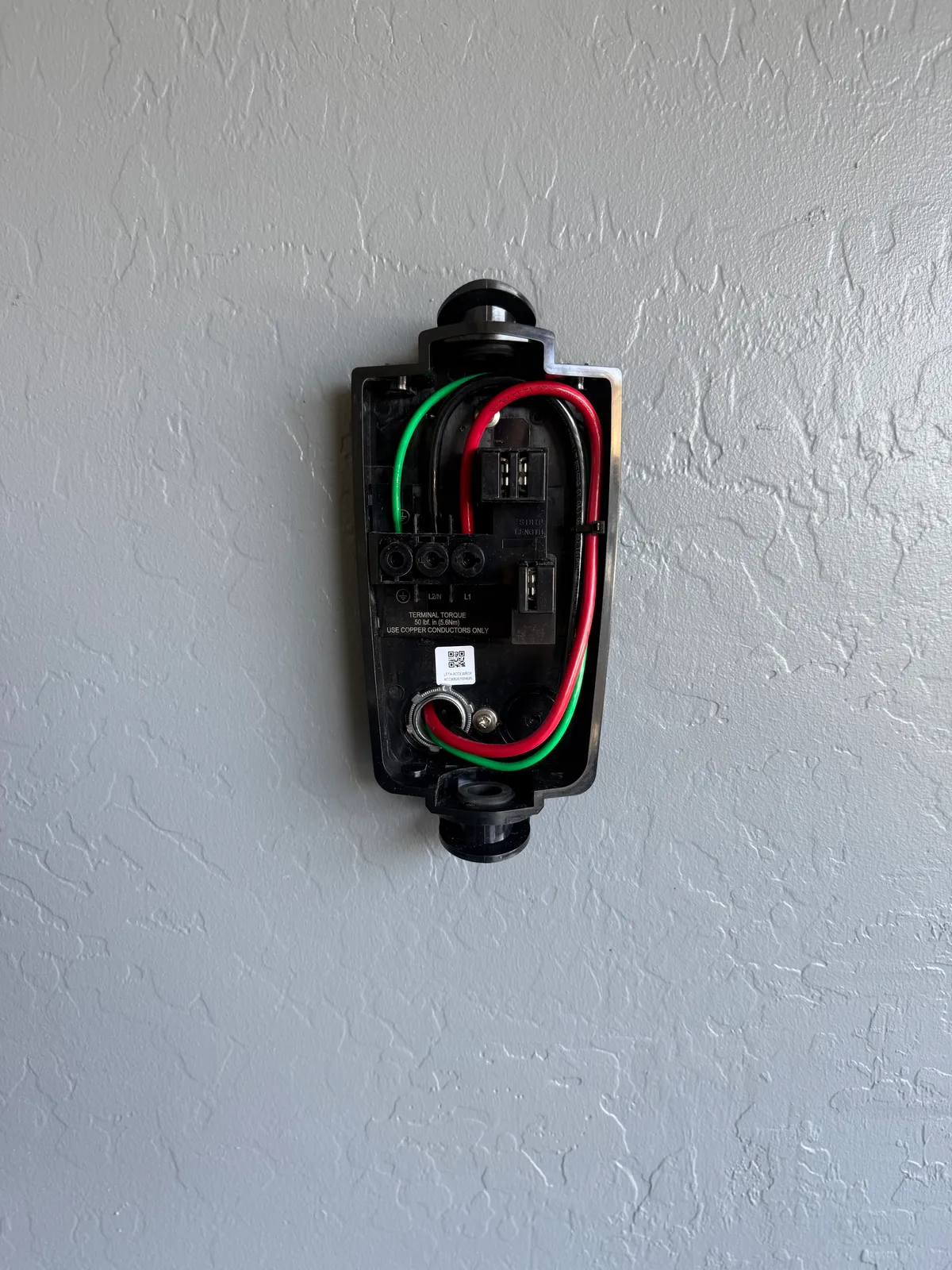
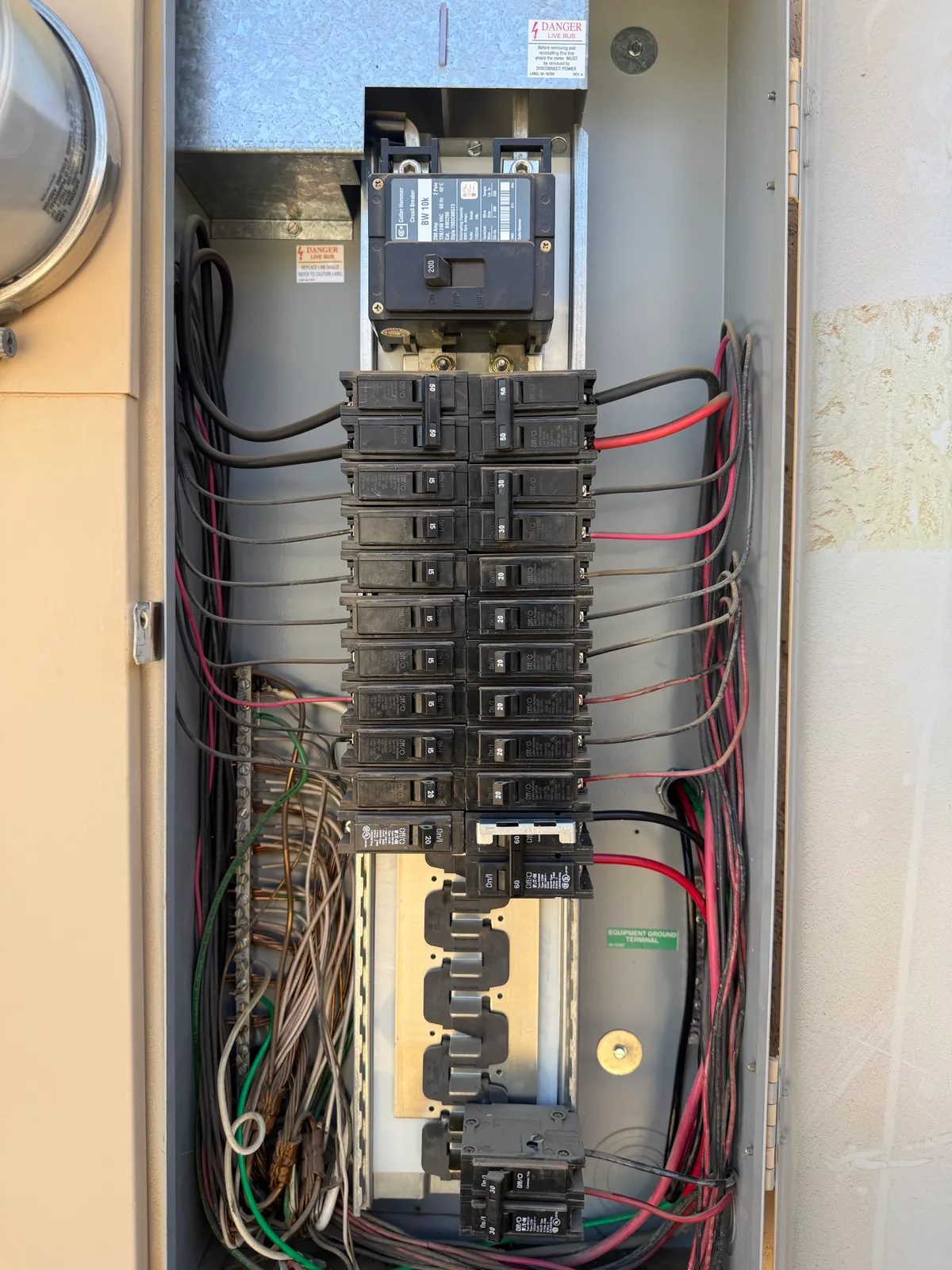
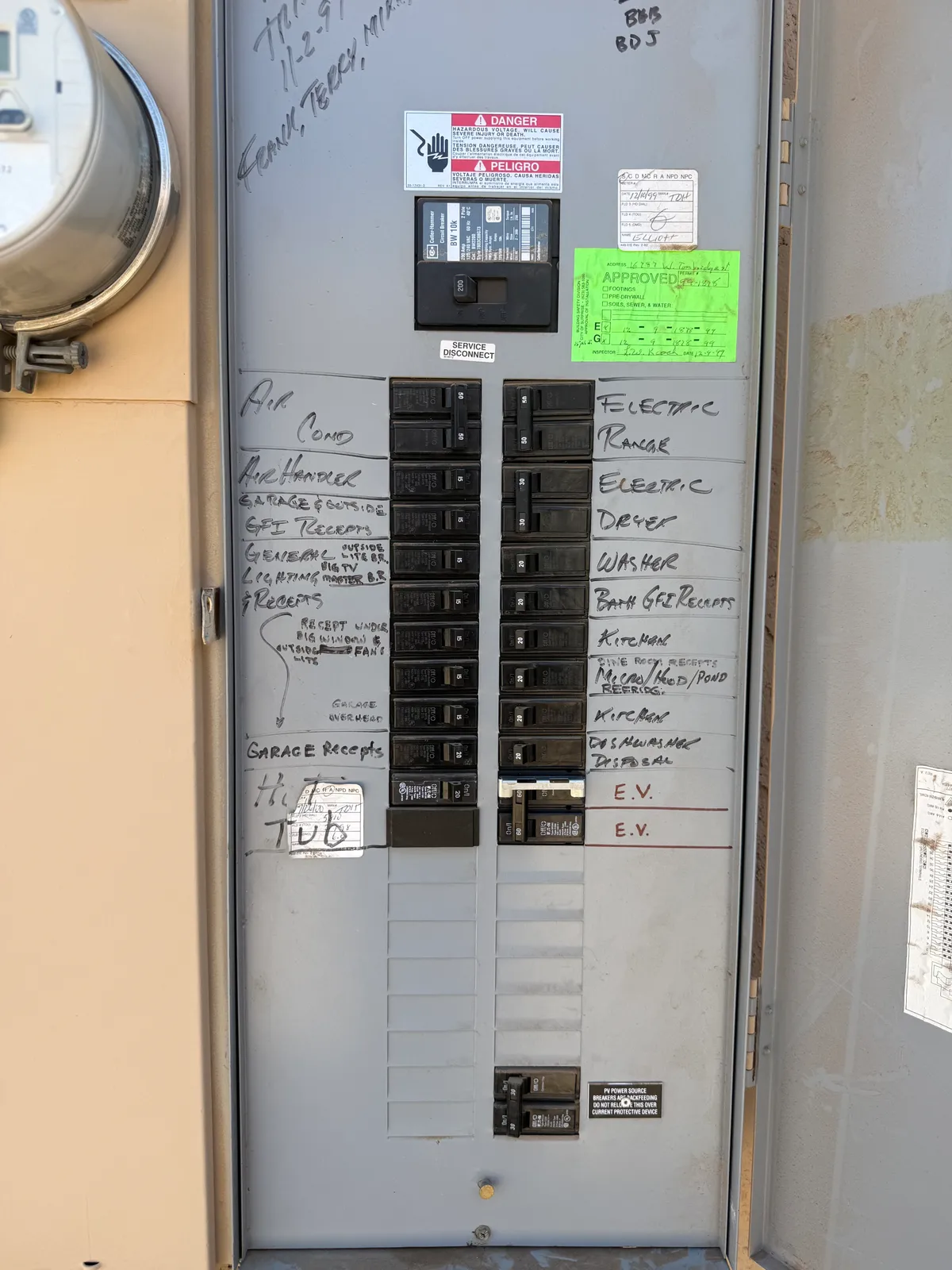
Plan Level 2 charging around your vehicle, daily driving and available electrical capacity. Charger power, circuit size and installation method need to be selected together.
Serving Phoenix, Surprise, Peoria, Glendale, Goodyear, Buckeye, Sun City and Scottsdale. Check service areas and confirm availability for your address.
An online estimate is preliminary until the route and capacity are checked. A larger panel is not always required; evaluate suitable alternatives. Charging speed depends on both the vehicle and charger. Do not budget for Section 30C on equipment placed in service after June 30, 2026.
Discuss any applicable workmanship coverage and equipment warranty terms with our team before approving the work.
The existing project gallery shows charger mounting, conduit routing and panel work. A separate Scottsdale gallery documents a ChargePoint Home Flex installation.
Explore this installationSend the proposed charging location, the route to the panel and accessible exterior panel labels. Include the vehicle and charger model, and whether you already own the hardware. Keep panel covers in place.
It is a preliminary estimate. The final quote depends on the electrical assessment, route, equipment, permissions and confirmed scope. Ask how the current $100 online offer applies to your quote.
Share its exact model and installation instructions so suitability can be confirmed. Equipment compatibility, the proposed location and the home’s electrical capacity still need assessment.
Call to check the next available appointment. Same-day visits depend on the schedule and job requirements. Request a service appointment.
Read feedback from Phoenix Valley homeowners and visit our Google profile for the latest reviews.
Have a question not listed here? Call us directly at (602) 886-3650.
Stop waiting at crowded Superchargers. Claim your $100 OFF coupon in just 60 seconds.
Licensed ROC #361047 · 100% Free · No Obligation Estimate · Upfront Flat-Rate Pricing